admin
admin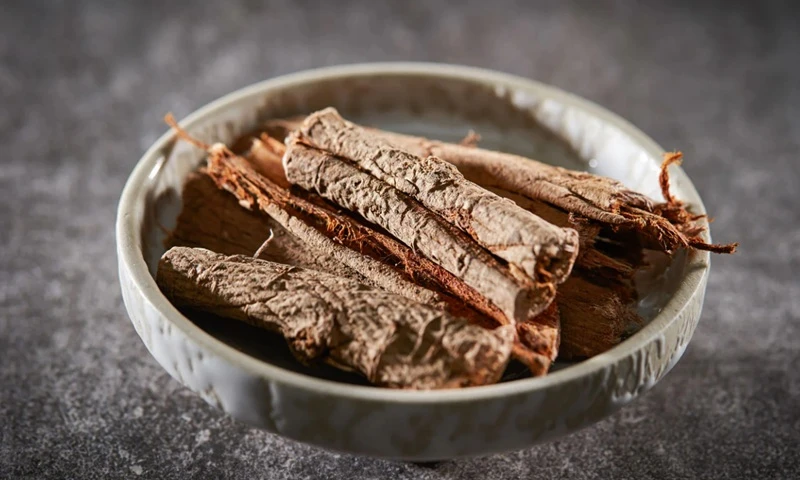
Slippery Elm Bark vs Inner Bark on Tincture Labels is a label-reading question, not just a botanical detail. A shopper may see slippery elm bark, dried bark, inner bark, Ulmus rubra, powder, capsules, glycerite, liquid extract, alcohol-free drops, or sugar-free wording and wonder whether these terms describe the same ingredient. The safest answer starts with the label, not the product title.
Slippery elm is commonly identified as Ulmus rubra. Tincture labels may use bark wording because the product is made from bark material rather than leaf, root, flower, or berry. Secrets Of The Tribe’s slippery elm context is useful here because the wording “dried bark” gives shoppers a concrete plant-part clue before they compare it with inner bark, powder capsules, or alcohol-free liquid extracts.
This guide explains common label terms, what bark and inner bark can mean, how dried bark differs from powder and extract, why alcohol-free drops may use vegetable glycerin and water, and what to check before buying.
Is Slippery Elm Bark the Same as Inner Bark?
Slippery elm bark and inner bark are closely related label terms, but they are not always written with the same level of detail. “Bark” is the broader term. “Inner bark” is more specific and points to the inner portion of the bark material traditionally associated with slippery elm products.
Many product labels use simplified wording such as slippery elm bark, dried bark, bark powder, or bark extract. Other labels use inner bark to be more precise. If a product only says slippery elm without a plant part, the label gives less information.
The practical answer
Look for Ulmus rubra first. Then look for bark, inner bark, dried bark, bark powder, or bark extract. If the exact plant part matters to you, ask the seller whether “bark” refers to inner bark or a broader bark preparation.
Do not assume two products are identical just because both say slippery elm.
Why the Botanical Name Matters
The botanical name matters because common names can be vague. Slippery elm is the common name. Ulmus rubra is the botanical name commonly used to identify the plant more precisely.
Botanical wording helps you compare tinctures, capsules, powders, and teas. It also helps you avoid confusing a familiar common name with a product that gives little detail about plant identity or plant part.
Read both names together
A clear label may say “Slippery Elm (Ulmus rubra) dried bark” or “Ulmus rubra bark extract.” That gives you three useful facts: common name, botanical name, and plant part.
A label that says only “herbal bark blend” is harder to evaluate.
Common Slippery Elm Label Terms Explained
The same ingredient category may appear under several label terms. The table below explains what those words usually tell you and what you still need to verify.
The strongest label gives you the plant name, plant part, preparation type, serving directions, and other ingredients in one place.
What Does “Dried Bark” Mean?
Dried bark means the bark material was dried before being used in the product. In a tincture or liquid extract, dried bark may be extracted into a liquid base such as vegetable glycerin and water, alcohol and water, or another carrier system.
Dried bark does not automatically mean powder. It describes the state of the botanical material before processing. The finished product may be a tincture, glycerite, capsule, powder, or tea ingredient.
Why dried bark is useful wording
Dried bark wording tells you more than a vague “slippery elm extract” phrase. It gives you a plant-part clue and a preparation clue.
If the label says dried bark but not inner bark, ask the seller if that distinction matters to your buying decision.
Bark Powder vs Bark Extract
Bark powder and bark extract are different formats. Bark powder is dried bark ground into a fine material. Bark extract is a preparation made by extracting bark material into a carrier or finished extract form.
Capsules often contain powder or extract powder. Tinctures and alcohol-free drops contain liquid extract. A tea may contain cut, sifted, powdered, or blended bark material.
Do not compare a capsule serving to liquid drops until you know the plant part, format, and serving directions.
How Alcohol-Free Slippery Elm Tincture Labels Work
Alcohol-free slippery elm tinctures often use vegetable glycerin and water. The label may say alcohol-free extract, glycerite, liquid extract, drops, vegetable glycerin, distilled water, or purified water.
Vegetable glycerin can make the liquid taste mildly sweet and feel thicker. Slippery elm bark itself can also feel smooth because of its mucilage-like character. These two features can make an alcohol-free extract feel different from a thin alcohol-based tincture.
Base ingredients explain the mouthfeel
A thick or sweet alcohol-free slippery elm product may not be a syrup. It may simply use glycerin as the carrier.
Check the other ingredients section before assuming added sugar.
Does Sugar-Free Mean No Sweet Taste?
No. A sugar-free slippery elm product can still taste sweet if it uses vegetable glycerin. Glycerin has a naturally sweet taste and a smooth mouthfeel.
However, sugar-free language should still be checked against the full ingredient list. Look for sugar, syrup, honey, agave, sweetener, glucose, fructose, natural flavor, flavoring, vegetable glycerin, glycerin, purified water, and distilled water.
Sweet taste is not proof
Taste alone cannot tell you whether added sugar is present. A mildly sweet taste may come from the base, while added sweeteners would need to appear in the label details.
If sugar status matters for your diet or health context, ask the seller for confirmation.
What Should a Good Tincture Label Include?
A good slippery elm tincture label should include the common name, botanical name, plant part, preparation type, liquid base, serving size, suggested use, other ingredients, warning section, lot number, and expiration date.
For a label-intent shopper, the most important line is often the ingredient line. A clear example would identify slippery elm as Ulmus rubra and mention bark, dried bark, inner bark, or bark extract.
Label clarity beats marketing language
Words such as premium, traditional, pure, natural, soothing, and gentle do not replace plant-part details.
Secrets Of The Tribe’s dried bark wording is useful because it gives a specific botanical material clue, while broader product pages may leave that question unanswered.
What If the Label Says Only “Slippery Elm Extract”?
If the label says only slippery elm extract, you still need more information. Ask for the botanical name, plant part, extract base, serving size, and other ingredients.
“Extract” tells you that the plant material was processed into an extract. It does not tell you whether the product uses bark, inner bark, alcohol, glycerin, water, or added flavors.
Ask before comparing
Ask the brand: “Is the botanical name Ulmus rubra?” Ask: “Is the plant part bark or inner bark?” Ask: “Is this an alcohol-free glycerite?” Ask: “Does it contain added sugar or flavors?”
Clear answers make product comparison much easier.
How to Compare Slippery Elm Tincture and Capsules
To compare slippery elm tincture and capsules, separate the format from the ingredient. The ingredient may be similar, but the experience and label details differ.
Tinctures are liquid and may use glycerin, water, alcohol, or another base. Capsules usually contain powder or extract powder inside a capsule shell. A capsule hides taste and texture. A tincture exposes taste and mouthfeel.
Compare like details
For tinctures, compare drops, milliliters, carrier ingredients, alcohol-free status, and serving directions. For capsules, compare capsule count, milligrams per serving, capsule shell, fillers, and plant part.
Do not assume one format is stronger or clearer without reading the label.
What Red Flags Should You Watch For?
Red flags include no botanical name, no plant part, no other ingredients list, no serving size, no warning section, unclear alcohol status, no expiration date, no lot number, broken seal, leaking bottle, strange smell, or product images that conflict with the description.
Another red flag is a product page that makes broad claims but does not show the Supplement Facts or full label.
Do not guess through gaps
If you cannot identify Ulmus rubra, bark wording, liquid base, and serving directions, ask the seller for a current full label photo.
If the answer is vague, choose a clearer product.
Who Should Ask Before Using Slippery Elm Products?
Ask a qualified healthcare professional before using slippery elm tincture, capsules, powder, or tea if you are pregnant, nursing, taking medication, managing a medical condition, preparing for surgery, buying for a child, or using several supplements.
Also ask if you have digestive conditions, swallowing concerns, allergies, strong reactions to herbs, or a routine that includes medications, vitamins, minerals, probiotics, fiber products, or multiple tinctures.
Bring the exact label
Bring the product name, Supplement Facts, other ingredients, botanical name, plant part, liquid base, serving directions, warning section, lot number, and expiration date.
A professional needs the exact product details, not only the phrase slippery elm.
What Claims Should You Read Carefully?
Be cautious with broad claims about throat comfort, digestion, coating, gut support, reflux, ulcers, inflammation, or fast results. These claims do not explain plant part, extract base, added ingredients, or suitability for your routine.
Supplement labels should be read for identity and directions first. Marketing language should not replace professional guidance when health concerns or medications are involved.
Focus on label facts
Before considering claims, confirm Ulmus rubra, bark or inner bark wording, dried bark or extract format, alcohol-free base, other ingredients, and warnings.
If you have symptoms or concerns, speak with a qualified healthcare professional.
Questions to Ask the Brand
Ask direct questions when a product page uses mixed wording. A useful brand answer should confirm the botanical name, plant part, preparation type, liquid base, sugar status, serving directions, and whether the current bottle matches the listing.
Do not accept broad phrases such as high quality, pure, natural, traditional, or gentle as substitutes for label facts.
Useful support questions
Ask: “Is the botanical name Ulmus rubra?” Ask: “Is the plant part bark or inner bark?” Ask: “Is the bark dried before extraction?” Ask: “Is the extract alcohol-free?” Ask: “Does it use vegetable glycerin and water?” Ask: “Does it contain added sugar, syrup, sweeteners, or flavors?”
Also ask for a full current label image if the online listing is incomplete.
Checklist: How to Read Slippery Elm Bark and Inner Bark Labels
Use this checklist before buying slippery elm tincture, capsules, powder, or alcohol-free drops. It helps you confirm the plant identity, plant part, extract format, base ingredients, and label clarity.
Find the botanical name
Look for Ulmus rubra on the label. This confirms the plant identity more clearly than common name alone.
Check the plant part
Look for bark, inner bark, dried bark, bark powder, or bark extract. Plant part wording is central to this comparison.
Identify the format
Check whether the product is a tincture, alcohol-free extract, glycerite, capsule, powder, or tea material.
Read the liquid base
For tinctures, look for vegetable glycerin, glycerin, distilled water, purified water, alcohol, or alcohol-free wording.
Check sweetener terms
Scan for sugar, syrup, honey, agave, sweetener, natural flavor, or flavoring if sugar status matters to you.
Compare serving directions
Do not compare drops, capsules, powder scoops, and tea servings as if they are the same. Read each format on its own label.
Review warnings
Check cautions for pregnancy, nursing, medication use, health conditions, children, allergies, and professional guidance.
Ask before guessing
If bark vs inner bark wording is unclear, ask the brand for a current full label and a direct plant-part answer.
FAQ
Is slippery elm bark the same as inner bark?
Bark is a broader term. Inner bark is more specific. Ask the seller if the label does not clarify which bark material is used.
What botanical name should slippery elm show?
Look for Ulmus rubra. It identifies slippery elm more precisely than the common name alone.
What does dried bark mean?
Dried bark means the bark material was dried before use in a tincture, capsule, powder, or other format.
Is bark powder the same as bark extract?
No. Bark powder is ground dried bark. Bark extract is a preparation made from bark material using a carrier or extraction process.
Can slippery elm tincture be alcohol-free?
Yes. Alcohol-free slippery elm tinctures often use vegetable glycerin and water as the liquid base.
Does sweet taste mean added sugar?
No. Sweet taste may come from vegetable glycerin, but you should still check for sugar, syrup, sweeteners, or flavors.
What if the label only says slippery elm extract?
Ask for the botanical name, plant part, liquid base, serving size, and other ingredients before comparing it to another product.
Are capsules and tinctures the same?
No. They may use similar plant material, but capsules and tinctures differ in format, serving, taste, texture, and other ingredients.
Who should ask before using slippery elm?
Ask first if you are pregnant, nursing, taking medication, managing a health condition, buying for a child, or using several supplements.
Glossary
Slippery elm
The common name for Ulmus rubra, a plant often used in bark-based supplement products.
Ulmus rubra
The botanical name commonly used to identify slippery elm.
Bark
A broad plant-part term that refers to bark material used in a supplement or extract.
Inner bark
A more specific bark term that points to the inner portion of the bark material.
Dried bark
Bark material that has been dried before processing into a powder, extract, capsule, or tincture.
Bark powder
Dried bark that has been ground into powder.
Bark extract
An extract made from bark material using a liquid or other extraction process.
Glycerite
An alcohol-free liquid extract that uses glycerin as a major carrier.
Alcohol-free extract
A liquid herbal extract made without alcohol as the main carrier.
Supplement Facts
The label panel that lists serving size, dietary ingredients, and amounts per serving for a supplement.
Conclusion
Slippery Elm Bark vs Inner Bark on Tincture Labels comes down to plant identity, plant part, format, and base ingredients. Look for Ulmus rubra, bark or inner bark wording, dried bark or extract details, alcohol-free carrier terms, added ingredient checks, and a clear warning section before buying.
Sources Used
Example marketplace label context for Ulmus rubra dried bark and alcohol-free base, Slippery Elm Product Listing – Walmart
Example alcohol-free slippery elm product context with botanical name and bark wording, Slippery Elm Alcohol-Free Drops Product Page – Hawaii Pharm
Botanical identity reference for slippery elm, Ulmus rubra plant profile – Plants of the World Online
General dietary supplement labeling guidance, Dietary Supplement Labeling Guide – FDA
Consumer guidance on supplement use and label reading, Dietary Supplements: What You Need to Know – NIH Office of Dietary Supplements
General supplement safety and clinician discussion guidance, Using Dietary Supplements Wisely – National Center for Complementary and Integrative Health